%20-%20All%20Logos_Primary%20-%20Full%20Color.png)
The Power of Networking with ASCA’s 30 under 30


Introduction to the 30 Under 30 Program
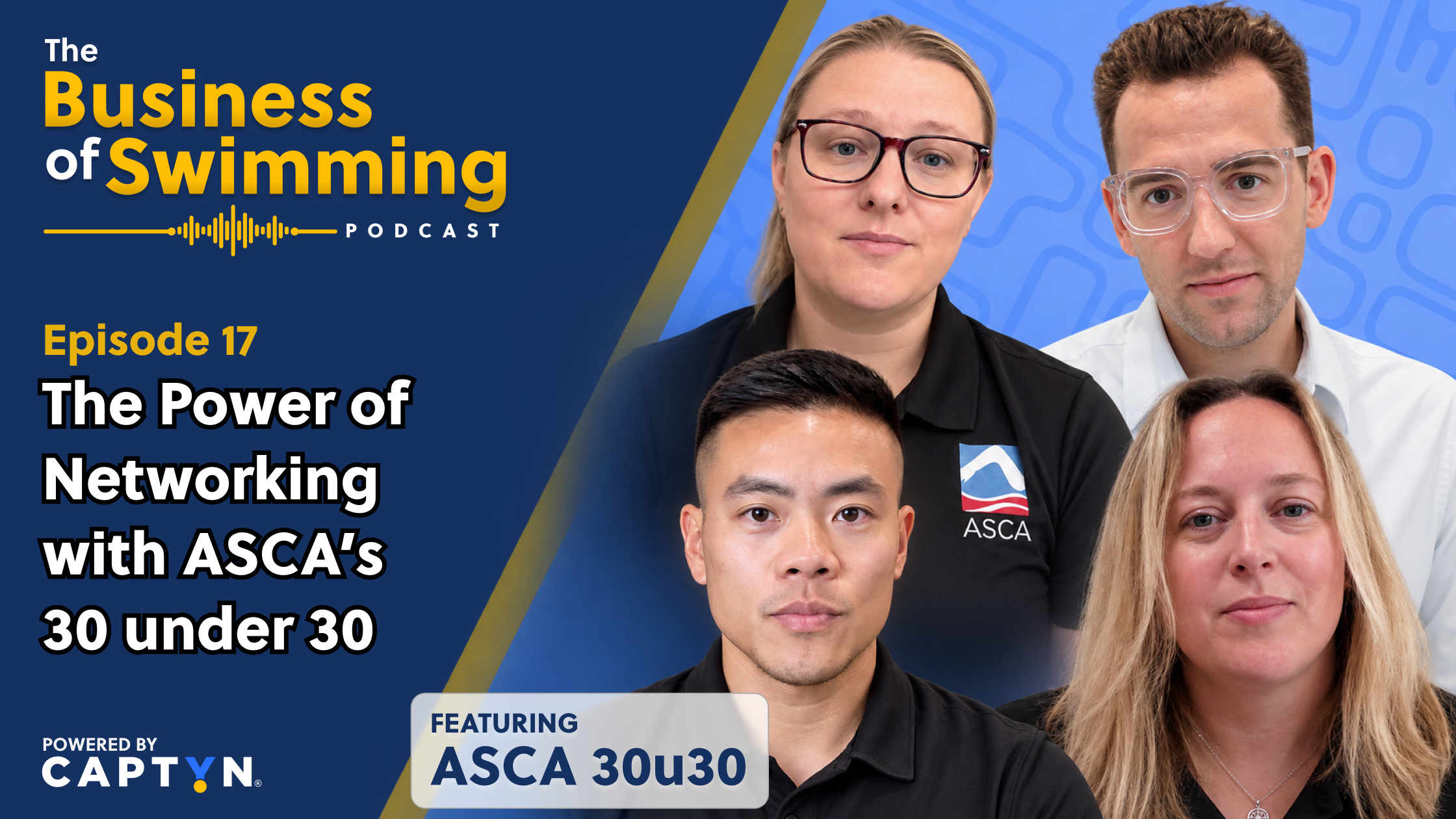
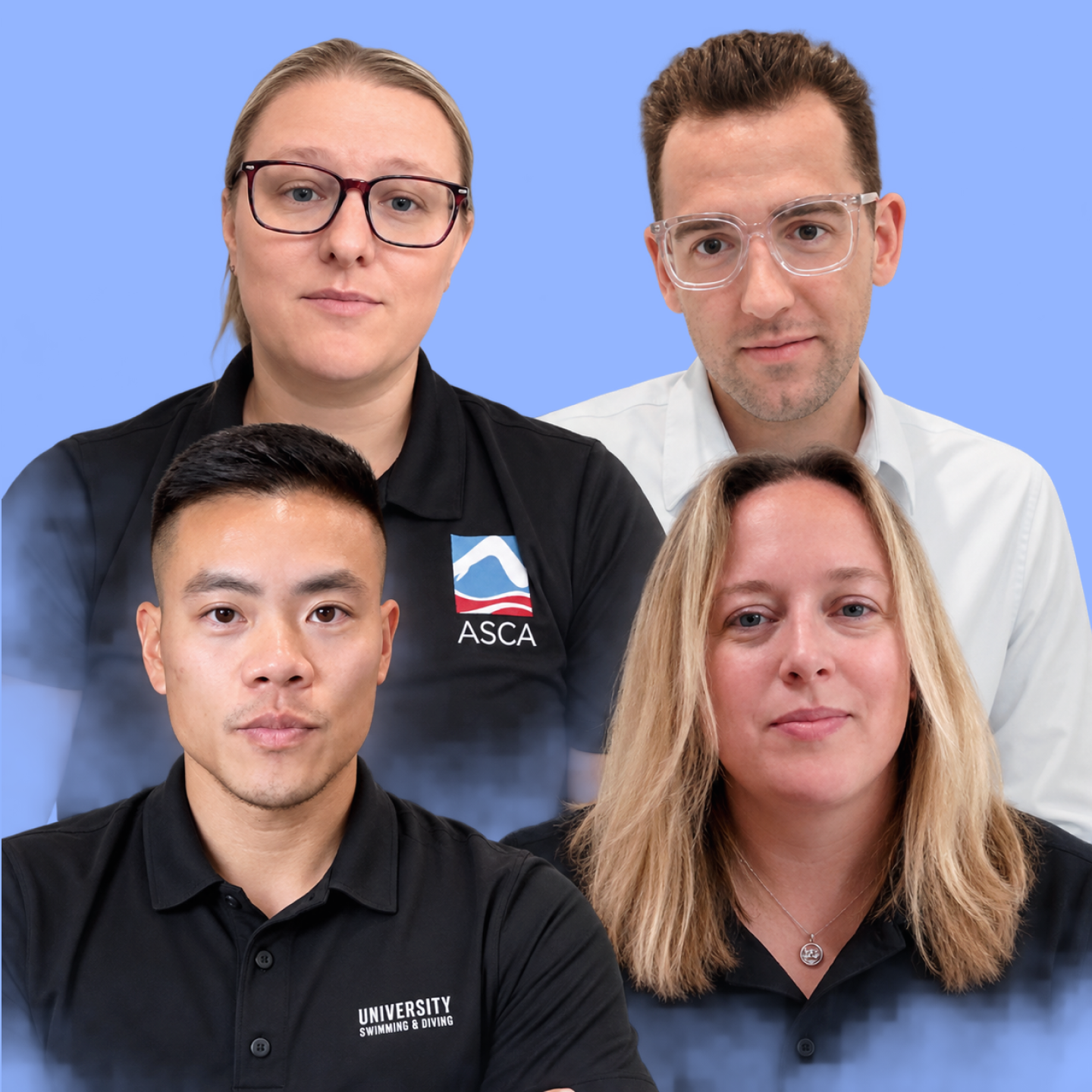
The future of swimming depends on the next generation of coaches feeling supported, connected, and prepared to stay in the sport long term. That is exactly what the American Swimming Coaches Association (ASCA) is working to create through its 30 Under 30 Program.
The program is designed for ASCA member coaches under the age of 30 who have never attended an ASCA World Clinic. Selected coaches receive waived registration to the clinic, removing a financial barrier and giving emerging coaches access to one of the most valuable professional development experiences in the sport.
But as Dr. Ariel Hodges, ASCA’s Director of Operations and Online Education, explained, the program is much more than a ticket to the ASCA World Clinic. Ariel helps guide the group before, during, and after the event, making sure young coaches feel welcomed, supported, and connected.
For many younger coaches, walking into a national clinic can feel intimidating. They may not know many people in the room. They may be unsure how to approach veteran coaches, speakers, or leaders in the sport. The 30 Under 30 Program helps break down those barriers by creating a built-in community from the start.
Ariel described the program as a way to invest in the next generation of coaches and help them “get their foot in the door” professionally. Since launching in 2022, the program has served roughly 150 coaches, and that number continues to grow.
That matters because coaching can be isolating, especially for young coaches who are still learning how to build a career in the sport. ASCA’s 30 Under 30 Program gives them more than education. It gives them access, confidence, relationships, and a clearer picture of what a long-term coaching career can look like.
It also connects directly to ASCA’s broader mission of inspiring, supporting, and advocating for coaches. Through programs like 30 Under 30, ASCA is helping young coaches see that they do not have to figure everything out on their own. They can learn from experienced coaches, build relationships with peers, and become part of a larger professional community.
Experiences and Impact of the Program
For the coaches who participated in the conversation, the impact of 30 Under 30 was personal, practical, and immediate.
Morgan Siefert shared that she had heard great things from previous 30 Under 30 participants and World Clinic attendees, but she was not sure she would have attended the clinic without the program. Being selected gave her the opportunity to take part in an experience that helped renew her love for coaching.
At the time, Morgan was feeling some early signs of burnout. She still loved the sport, but she was looking for new energy, fresh ideas, and a reminder of why coaching mattered. World Clinic gave her that. Listening to experienced coaches, asking questions, and connecting with peers helped her return home with renewed motivation and practical ideas to bring back to her swimmers.
Mac Lewis saw the program as a form of continuing education for coaches. Coming from a marketing background and comparing coaching to fields like medicine, he valued the idea that coaches should always be learning, improving, and adding tools to their skill set. For Mac, 30 Under 30 created a fully immersive coaching experience where he could step away from everyday distractions and focus completely on growing in the profession.
That experience also opened new doors. Through connections he made at World Clinic, Mac learned how to pursue college swim camp coaching opportunities, including how to reach out, when to connect, and what camps might be a good fit. He later turned that guidance into a real opportunity coaching at the Naval Academy’s swim camp.
Jared Shum’s experience showed how powerful the program can be for coaches who want to be intentional with their development. Jared came into World Clinic with specific questions about how to better serve his swimmers and improve his program. He sought out coaches who could help him think through breaststroke development, team culture, and how to build a strong high school program in a modern coaching environment.
One of the biggest takeaways from Jared’s experience was that there is no one-size-fits-all model for building a successful program. Coaches can learn from elite programs and respected leaders, but they still need to apply those lessons in a way that fits their own athletes, team culture, and organization.
Across all three stories, the theme was clear: 30 Under 30 helps young coaches make the most of opportunities they may not have known how to access on their own.
It gives them a reason to start conversations. It gives them a peer group to lean on. It gives them direct access to ASCA staff, veteran coaches, presenters, vendors, and other leaders in the sport. And perhaps most importantly, it helps young coaches see themselves as part of the future of swimming.
That kind of support can make a real difference in coach retention. When young coaches feel connected, valued, and encouraged to keep growing, they are more likely to stay in the sport. They are also more likely to bring new energy, creativity, and leadership back to their teams.
For clubs and swim organizations, that is an important reminder. Developing young coaches cannot be an afterthought. If teams want strong programs in the future, they need to invest in the people who will lead them. ASCA’s 30 Under 30 Program offers one powerful pathway for doing exactly that.
Networking and Maximizing Opportunities at the ASCA Clinic
One of the most valuable parts of the 30 Under 30 Program is that it gives young coaches a stronger reason to walk into ASCA World Clinic with purpose.
For many first-time attendees, the clinic can feel overwhelming. There are veteran coaches, national-level speakers, vendors, club leaders, and professionals from every part of the sport. The opportunity is there, but for a young coach, knowing how to start a conversation or where to spend time can be difficult.
The 30 Under 30 Program helps turn that uncertainty into direction.
Ariel Hodges explained that part of her role is helping each coach get more out of the experience. That may mean helping them identify which sessions to attend, introducing them to someone they want to meet, or helping them feel comfortable approaching a coach they admire. Even the simple visibility of being part of the 30 Under 30 group gives young coaches a natural conversation starter.
That matters because networking in coaching is not just about collecting ideas. It is also about building a career.
Most coaches are not going to spend their entire professional life at one club. Over time, they may want to become a head age group coach, lead a senior group, move into a head coaching role, work in college swimming, manage a larger staff, or take on more responsibility within a club or organization. Those opportunities often come through relationships.
A young coach who builds connections across the country is not only learning new drills or training concepts. They are also becoming known. They are meeting people who may later recommend them, hire them, invite them to camps, connect them with a new club, or help them understand what the next step in their career could look like.
That is one of the hidden values of ASCA World Clinic. It puts young coaches in the same space as the people who are shaping the profession.
Mac Lewis experienced that firsthand. He went into the clinic looking for ways to create more immersive coaching experiences and came away with practical advice on how to pursue college swim camp opportunities. Conversations with collegiate coaches helped him understand who to contact, when to reach out, and how to get involved. That connection eventually helped him coach at the Naval Academy’s swim camp.
For Jared Shum, the clinic was an opportunity to seek out very specific advice. He came prepared with questions that were directly tied to his swimmers and his program. That focus helped him approach conversations with confidence. Instead of simply asking broad questions, he was able to ask for insight that could help him become more effective in his own environment.
Morgan Siefert saw the value in the relationships that continued after the clinic. The 30 Under 30 group chat, peer connections, and ASCA Mentor Program gave her a network she could return to long after the event ended. That kind of support is important because coaching questions rarely stop when the clinic is over.
For young coaches, the lesson is clear: do not treat World Clinic like a passive learning event. Treat it like a career-building opportunity.
Before arriving, coaches should think through a few key questions:
- What do I want to learn?
- What problems am I trying to solve in my current role?
- What type of coach do I want to become?
- Who is doing work that I can learn from?
- What future opportunities am I curious about?
That could include asking a head coach how they built their staff structure, talking to a college coach about camp work, meeting a vendor to understand the business side of the sport, or asking another young coach how their club handles communication, retention, or parent education.
The coaches who get the most value out of the clinic are not always the ones who attend the most sessions. They are often the ones who use the time between sessions well. A short hallway conversation, a lunch table introduction, or a question after a talk can become a relationship that lasts for years.
The bigger takeaway is that young coaches should be intentional, but also open. Have a plan, but be willing to say yes when a new opportunity shows up. The next conversation could lead to a mentor, a future job, a camp opportunity, a speaking invitation, or simply a better way to serve swimmers back home.
Implementing Learnings from the Clinic
The best professional development does not end when coaches leave the clinic. It becomes valuable when they bring those ideas home and use them with their swimmers, staff, and programs.
For the 30 Under 30 coaches, ASCA World Clinic created immediate takeaways they could apply on deck.
Morgan Siefert was looking for ways to keep swimming creative and fun, especially for younger athletes. One idea she brought back was a tic-tac-toe game using kickboards and pull buoys. The swimmers loved it right away. More importantly, it gave her a way to build energy into practice while still creating meaningful work.
That is an important lesson for age group coaching. Fun does not have to mean easy. A creative set, game, or challenge can help swimmers stay engaged while still building skills, effort, and team connection. For younger athletes, those are the moments that often make them want to come back.
Mac Lewis took away ideas that helped swimmers reset physically and mentally during practice. One example was the use of social kick sets. Instead of treating social time as a distraction, he saw how it could be used intentionally. A short social kick can help swimmers reconnect, recover, and reset before moving into the next part of practice.
He also shared a warm-down concept where swimmers took several deep breaths at the wall before continuing. Rather than only using the clock to manage rest, the set encouraged swimmers to pay attention to their own breathing and recovery. That kind of body awareness can help athletes understand that training is not just about effort. It is also about learning how to recover, listen, and respond.
Jared Shum found value in using his ASCA network as an extension of his own coaching staff. In a smaller or growing program, a coach may not always have several experienced eyes on deck. Through relationships built at the clinic, Jared was able to send video, ask technical questions, and get feedback from coaches who could see something he might have missed.
That type of collaboration is one of the most practical benefits of building a national coaching network. A coach does not need to have every answer alone. They can reach out, compare ideas, ask for a second opinion, and bring better feedback back to their swimmers.
It also helps young coaches develop faster. When a coach has access to more perspectives, they can sharpen their own eye, test new ideas, and gain confidence in what they are seeing. That kind of feedback loop can be hard to find if a coach only learns within one club or one local swimming community.
The clinic also gave coaches a broader view of what modern coaching requires. Morgan pointed to mental health as one of the most meaningful topics she took home. Supporting swimmers today means understanding pressure, confidence, motivation, and the emotional side of sport. Coaches are not just writing sets. They are helping young people navigate challenges, stress, growth, and identity.
This is where ASCA’s value becomes much bigger than a single weekend. The clinic can spark the first idea, but the larger ASCA network helps coaches keep building on it. A coach might attend a session, join the Mentor Program, watch ASCA Live, explore educational resources, contribute content, or stay connected with peers from their 30 Under 30 class.
For young coaches, the goal should be to leave World Clinic with more than notes. They should leave with action steps.
That might look like:
- Bringing one new practice idea back to the team.
- Reaching out to one coach for a follow-up conversation.
- Joining the ASCA Mentor Program.
- Asking a club leader about future growth opportunities.
- Identifying one skill that could help them earn more responsibility.
- Building a list of coaches, clubs, and programs they want to stay connected with.
- Looking for chances to speak, volunteer, work camps, or contribute to ASCA programming.
Those steps matter because career growth in coaching is not automatic. Young coaches need to build skills, but they also need visibility, relationships, and a reputation for being engaged. The more they invest in the profession, the more likely they are to find opportunities that match their goals.
The 30 Under 30 Program helps accelerate that process. It gives young coaches access to education, but it also helps them see a bigger path. They can become better on deck, stronger communicators, more connected professionals, and more prepared for leadership roles in the future.
For clubs, this should be a clear reminder. Sending a young coach to ASCA World Clinic is not just a nice professional development perk. It can be an investment in retention, staff growth, and leadership development. When young coaches feel supported and can see a future in the sport, they are more likely to stay, grow, and take on bigger roles.
That is good for coaches, good for clubs, and good for the future of swimming.
Wishes for the Future of Age Group Swimming
To close the conversation, each guest was asked one big question: if you had one wish for age group swimming, what would it be?
Their answers pointed to a shared belief that the future of swimming depends on making the sport more accessible, more sustainable, and more supportive for both athletes and coaches.
For Mac Lewis, the wish was about making swimming more appealing to the next generation of young athletes. He pointed to the importance of looking closely at participation numbers, especially among 10-and-under swimmers, and asking how the sport can better reach new families. Swimming has an exciting runway ahead, especially with the momentum building toward LA 2028, but the sport still has to compete for attention with many other youth activities. Mac highlighted initiatives like USA Swimming’s Block Party as examples of how the sport can rethink the first experience families have with swimming and make it feel more welcoming, fun, and engaging. (Check out the Business of Swimming Block Party Episode with Julie Bachman)
Jared Shum’s wish focused on making swim meets shorter and creating more room for multi-sport athletes. For families new to swimming, the meet experience can be a lot to take in. Parents may spend an entire day at a pool to watch their child race for only a few minutes. That can be hard to understand, especially for families coming from sports with shorter games and more predictable schedules. Jared also emphasized that coaches should be more open to athletes who want to play other sports. A young swimmer may only be able to attend three or four practices a week because they also play soccer, basketball, or another activity. Instead of viewing that as a lack of commitment, coaches can still invest in that athlete and help them enjoy swimming as part of a balanced childhood.
Morgan Siefert’s wish was that every child could have the chance to experience swimming, whether through a full year of club swimming or even one summer of summer league. Her answer started with water safety, which is one of the most important reasons to expand access to the sport. But it went beyond that. Swimming teaches discipline, determination, time management, confidence, and resilience. A short eight-week summer season could be enough for a child to discover that they love the water, enjoy being part of a team, and want to stay involved in the sport.
Ariel Hodges brought the conversation back to coaches. Her wish was for more coaches to feel educated, supported, and connected, because when coaches are at their best, they can give the best version of themselves to their swimmers. That is at the heart of ASCA’s work. Through education, mentorship, community, and new programs, ASCA is helping coaches find the resources and relationships they need to keep growing.
Together, these wishes show what the future of age group swimming can look like.
It can be a sport where young athletes have more access. Where meets are more family-friendly. Where multi-sport participation is supported instead of discouraged. Where coaches are better trained, better connected, and less isolated. Where young swimmers have fun, learn life skills, and stay in the sport longer.
And for that future to happen, clubs need to think carefully about how they support both athletes and coaches. The swimmer experience starts with the coach experience. When young coaches are mentored, encouraged, and given room to grow, they are more likely to build environments where swimmers feel the same.
That is why programs like ASCA’s 30 Under 30 matter. They are not just recognizing promising young coaches. They are helping shape the people who will lead the next generation of swimmers.
Get Involved in ASCA Programs to Grow Your Career
ASCA offers several programs that help coaches keep learning, build relationships, and create more career opportunities across the sport. Whether you are a new coach, a young professional, or an experienced coach looking to give back, these programs can help you grow your network, sharpen your skills, and stay connected to the larger coaching community.
30 Under 30 World Clinic Grant
The 30 Under 30 Program supports ASCA member coaches under the age of 30 who have never attended ASCA World Clinic. Selected coaches receive waived registration, giving them access to education, networking, and mentorship opportunities that can help launch the next stage of their coaching career.
Mentor Program
Learn more about the Mentor Program
ASCA’s Mentor Program connects coaches with selected mentors and provides a guided structure for continued learning. This gives coaches a trusted space to ask questions, work through challenges, and build relationships with experienced leaders in the sport.
Timothy Welsh ASCA Fellows
Learn more about ASCA programs
The Timothy Welsh ASCA Fellows Program is designed to develop future coach-leaders through mentorship and a year-long project that contributes to the sport. It gives coaches a chance to study important issues, share findings, and become more involved in shaping the future of swimming.
Ambassador Program
ASCA Ambassadors help share resources, promote ASCA programs, and connect coaches within their regions. For coaches looking to become more visible and involved, the Ambassador Program is a great way to serve the profession while expanding their network.
Workout Exchange
The Workout Exchange gives coaches access to workouts contributed by other coaches across the sport. It is a practical resource for fresh ideas, training inspiration, and new ways to challenge swimmers at different levels.
Committees and Task Forces
ASCA committees and task forces give coaches a way to help shape programs, advocacy, and educational resources. Getting involved can help coaches contribute beyond their own team while building relationships with peers and leaders across the country.
Coaches of Color
Learn more through ASCA programs
Coaches of Color provides a space for coaches to connect, discuss shared challenges, and build support within the coaching community. Programs like this help strengthen representation, create belonging, and make the profession more connected and inclusive.
Women’s Initiative
ASCA’s Women’s Initiative brings coaches together through ongoing calls and community support. It creates space for female coaches to connect, share experiences, and support one another’s growth in the profession.
Educational Resources
Explore ASCA Educational Resources
ASCA’s educational resources include technique videos, performance data, talks, webinars, articles, club support tools, certification courses, publications, and audio resources. These tools help coaches keep learning at their own pace while building knowledge in training, leadership, athlete development, and the business of swimming.
Together, these programs give coaches more than information. They create access, visibility, relationships, and long-term career growth. For young coaches especially, getting involved with ASCA can open doors to mentorship, future employment, increased responsibility, and a stronger professional network across the United States.
Meet the Guests
Ariel Hodges, American Swimming Coaches Association
Ariel Hodges is the Director of Online Education and Operations at ASCA. She helps lead ASCA’s education efforts and serves as the staff liaison for the 30 Under 30 Program and Timothy Welsh ASCA Fellows Program. Ariel has also been part of ASCA’s broader work to revamp and expand coach education. Read more.
Mac Lewis, Blazing Barracudas
Mac Lewis is an assistant coach with the Blazing Barracudas in Cleveland, Ohio, where he primarily works with age group swimmers. He also coaches Masters swimmers and brings a strong focus on community, continued learning, and helping athletes stay connected to the sport.
Morgan Siefert, Coffman Family YMCA
Morgan Siefert coaches with the Coffman Family YMCA in Dayton, Ohio, where she serves as Head Age Group Coach. She works closely with younger swimmers and is passionate about creating a fun, supportive environment that helps athletes grow in and out of the pool.
Jared Shum, University High School
Jared Shum is the head coach of University High School Swimming and Diving in Carmel, IN. He has coached athletes across age group, high school, senior development, and high-performance levels, with a focus on balance, mental development, and helping swimmers succeed beyond race results.

More Ways to Explore Captyn

Demo
See Captyn in action by exploring top features and watching a free demo of the platform

Success Stories
See how organizations of all sizes are operating and growing their businesses on Captyn

Live Events
Meet up and chat with us at one of the many live events we sponsor and attend all across the country